

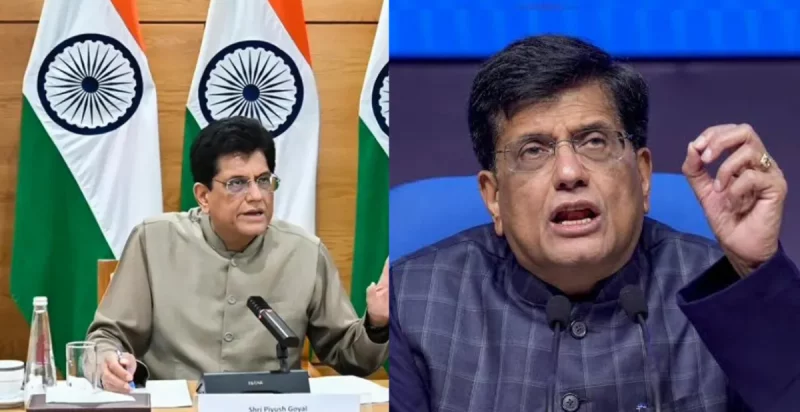
Worry about artificial intelligence (AI) taking jobs keeps growing, but Union Commerce and Industry Minister Piyush Goyal is not alarmed. He has said AI may create more jobs than it replaces in India. In his words, AI “will not reduce jobs.” He believes the technology will change how people work rather than push them out of work.
Which Sectors Does He Call Safe?
Goyal has pointed to sectors built around human experience as the ones AI cannot easily reach. He named tourism and sports in particular, along with services where people want a real person on the other side. A traveller still wants a local guide, a stadium still needs a crowd and a coach, and a hotel still depends on warm hospitality. These are areas where trust, emotion and presence matter more than speed.
Why He Says Jobs Will Grow
The minister argues that new technology has always opened new kinds of work. He has also said India can lead the world in applied AI, pointing to the country’s 2.3 million STEM graduates every year. In his view, global AI cannot expand at affordable prices without India’s talent. He has dismissed the pessimists, saying some people will always write negative stories about new technology and should be ignored.
Upskilling Is the Condition
Goyal’s optimism comes with a clear condition. Workers must keep learning. He has encouraged young people to embrace new tools instead of fearing them. In Mumbai, he opened AI-enabled training and placement centres and spoke about building an AI Innovation Hub for future-ready skills. He has also asked senior officials in his own office to use the latest AI tools.
What This Means for Workers
For job seekers, the message is practical. Routine tasks may change, but jobs that need human judgement, creativity and personal contact are likely to stay. Learning to work with AI may matter more than competing against it.
The debate is far from settled, and some experts warn of real job losses. Still, the minister’s view gives young Indians a hopeful direction: adapt early, keep upskilling and look at fields where human touch still counts.


