
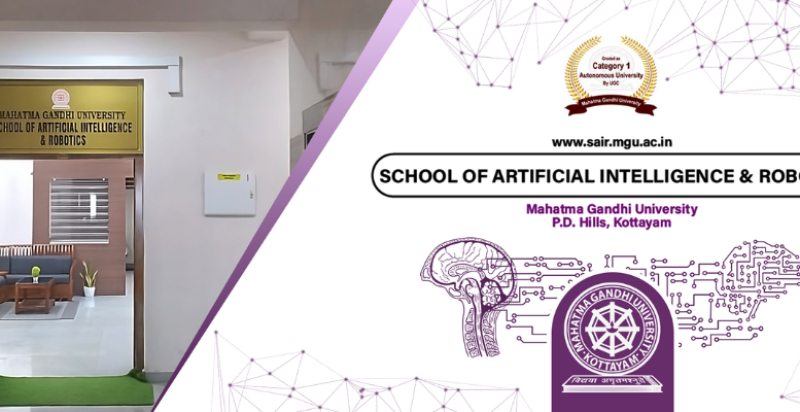
Road accidents continue to be a primary concern worldwide, causing thousands of deaths and injuries every year. In response, Mahatma Gandhi University has developed an AI-powered, real-time motorist alert system to reduce accidents and enhance road safety.
The Need for Smarter Road Safety
Human error is the leading cause of road accidents. Drowsiness, distraction, and delayed response time frequently contribute to collisions. Traditional measures such as business rules and mindfulness programs aren’t always enough. This highlights the need for intelligent results that can laboriously cover motorists and warn them of potential troubles.
How Does the AI Motorist Alert System Work?
The system uses artificial intelligence and detectors to cover motorist gestures in real time. It tracks eye movements, head position, and alertness to identify signs of fatigue or distraction. However, the system incontinently issues audio and visual cautions to the motorist if any threat is detected. Also, the system uses predictive algorithms to identify implicit hazards or risky pushes before they occur.
Implicit Impact on Road Safety
This AI-driven system could significantly reduce road accidents by providing motorists with timely warnings. Forehand warnings can help prevent collisions, reduce losses, and make exchanging safer.
The Research Team Behind the Innovation
The design is led by a platoon of AI experimenters and masterminds at Mahatma Gandhi University. Their goal is to combine AI, machine literacy, and detector technology to deliver practical solutions for everyday road safety challenges. Real-world testing and collaborations with automotive companies are planned to bring the system to the market.
FAQ (Frequently Asked Questions)
Q1. How does the AI motorist alert system detect motorist fatigue or distraction?
The system uses detectors and AI algorithms to cover the motorist’s eye movements, head position, and alertness levels. However, it incontinently issues audio-visual cautions to help prevent accidents if it detects signs of drowsiness or distraction.
Q2. Can this system be installed in all types of vehicles?
Yes, the system is designed to be compatible with the most ultramodern vehicles. It can also be integrated with advanced vehicle functions like automatic retardation or lane-keeping assistance for enhanced safety.
Q3. When will the system be available for public use?
Presently, the system is being tested in simulated surroundings by Mahatma Gandhi University. The platoon plans to partner with automotive companies for real-world deployment, though an exact launch date has not yet been announced.