
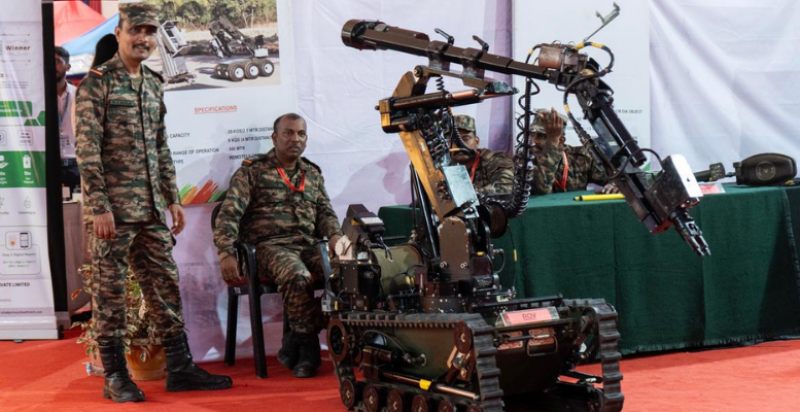
India has taken a major leap in AI Defence Technology, with a Karnataka-based startup developing the country’s first indigenous defence-focused AI solution under the government’s iDEX ADITY 2.0 initiative. This marks a shift in India’s defence procurement approach-moving from imports to empowering AI innovation in India through startups and R&D-led ventures.
What This Defence AI Technology Does
The newly developed system integrates advanced AI models to enhance:
-
Real-time surveillance and target detection
-
Autonomous decision support
-
Battlefield-level predictive analysis
-
Faster threat classification
According to the Ministry of Defence, India’s defence AI adoption has accelerated since the launch of iDEX initiatives, with over 300 defense-tech startups participating as of 2024.
Why This Innovation Matters
This breakthrough will influence the future of Artificial Intelligence in national security by:
-
Reducing dependency on foreign defence tech
-
Speeding up indigenous innovation
-
Encouraging private-sector participation
-
Boosting AI-driven battlefield readiness
The solution aligns with India’s vision to modernize defence using Artificial Intelligence insights, automation, and next-gen systems that improve real-time decision-making.
How iDEX ADITY 2.0 Is Changing Procurement
The ADITY 2.0 programme focuses on rapid prototyping, accelerated testing, and faster adoption of AI-based defence systems. Indian startups collaborating under this scheme receive support for trials, deployment, and integration into armed forces infrastructure.
As global defence strategies become AI-driven, India’s first homegrown defence AI is a clear signal- India is not just catching up but gearing up to lead.
FAQ (Frequently Asked Questions)
1. How is AI currently used in military and defence operations?
AI is used in defence for surveillance, threat detection, cybersecurity, logistics planning, drone coordination, and decision-support systems that help commanders analyze large amounts of battlefield data quickly. It enhances situational awareness but still keeps humans in charge of critical actions.
2. Can AI systems make autonomous decisions, including lethal ones, on the battlefield?
While some countries test autonomous weapons, most modern military AI systems are designed with human-in-the-loop controls, meaning they cannot independently make lethal decisions. Global policies and treaties are pushing to ensure humans remain accountable for any use of force.
3. What are the main ethical concerns surrounding military AI?
Key concerns include the risk of machines making life-and-death choices, potential mistakes due to flawed data, escalation of conflicts through autonomous weapons, and lack of accountability if an AI system causes harm. Ensuring human oversight, transparency, and responsible use is at the core of the ethical debate.