

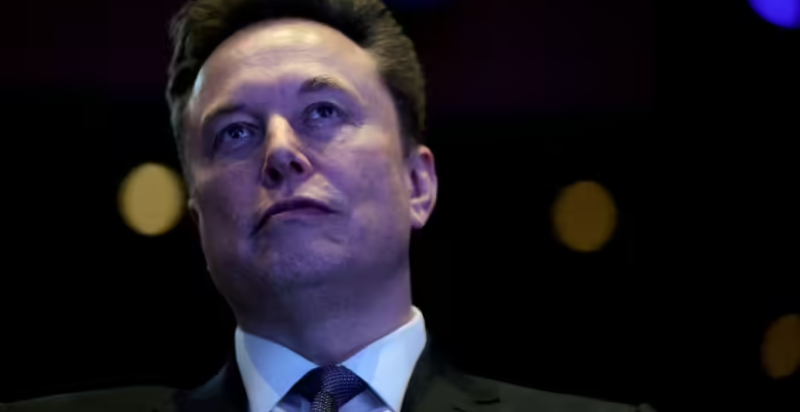
SpaceX acquired xAI: SpaceX, led by Elon Musk, announced the acquisition of xAI on February 1, 2026, marking a major step toward integrating artificial intelligence with SpaceX’s space and satellite infrastructure. The merger positions xAI’s AI capabilities alongside SpaceX’s rockets, Starlink broadband, and satellite systems, aligning with Musk’s vision of combining AI compute power with orbital technology. While the acquisition highlights ambitious plans, some analysts note that xAI faces operational challenges, and the full details of integration are still emerging.
Orbital AI Data Centre Plans: Harnessing Sunlight and Starship for AI Compute
SpaceX acquired xAI: Ahead of the acquisition, SpaceX filed with the Federal Communications Commission (FCC) on January 31, 2026, seeking permission for up to 1 million solar-powered satellites. The concept involves using constant sunlight to power AI workloads, avoiding traditional energy limitations and cooling needs on Earth. Starship rockets, capable of lifting up to 200 tons per flight, would deploy these satellites at low cost. The system is designed to support optical interlinks for high-bandwidth computing, potentially delivering 100 gigawatts of AI compute capacity annually, according to Musk.
Cost Reduction and Technical Realities: Ambitious But Speculative
While SpaceX has claimed that orbital AI centres could cut compute costs by 95%, no independent verification exists. Engineers caution that technical, regulatory, and economic hurdles remain significant. Launch logistics, satellite maintenance, space debris mitigation, and data latency are among the key challenges. However, Musk argues that leveraging solar power and orbiting infrastructure could create the lowest-cost AI computing solution, with minimal environmental impact compared to terrestrial data centres.
Strategic Implications: IPO, AI Expansion, and Space Integration
The xAI merger could influence SpaceX’s potential public listing and its broader AI strategy. Industry observers expect closer alignment between AI development and orbital infrastructure, while experts remain sceptical about practical deployment timelines and regulatory approvals. The move underscores Musk’s long-term ambition to vertically integrate AI and space technologies.